The internet has transformed the way we live and work, from simple online searches to running entire global enterprises. Behind many of the digital tools we use daily is SaaS, or Software as a Service, the dominant cloud delivery model powering modern software.
In 2026, SaaS is no longer just a convenience. It is a critical part of business infrastructure. The global SaaS market has surpassed 400 billion dollars, with projections reaching approximately 465 billion dollars this year and expected to grow toward nearly 800 billion dollars by 2029 at an annual growth rate close to 19 percent. Artificial intelligence integration, automated workflows, and industry-specific solutions are accelerating this expansion. SaaS has become the backbone of productivity, collaboration, entertainment, and enterprise operations.
SaaS Definition: What Is Software as a Service?
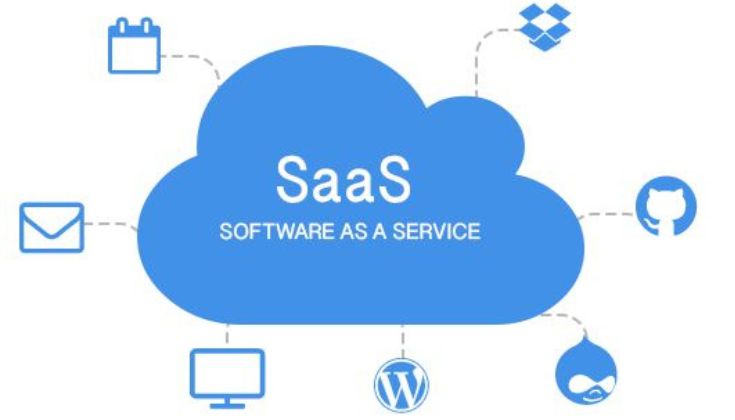
Software as a Service is a cloud computing model in which a provider hosts and manages software applications and delivers them to users over the internet. Instead of purchasing software licenses, installing programs locally, and maintaining servers, users subscribe to the service and access it through a web browser or mobile app.
Key characteristics of SaaS include:
- Cloud-hosted infrastructure managed by the vendor or major cloud providers such as AWS, Microsoft Azure, or Google Cloud
- Multi-tenant architecture, where one core application serves multiple customers securely
- Automatic updates, maintenance, and security handled by the provider
- Access from any internet-connected device
SaaS sits alongside two other primary cloud service models:
- SaaS provides ready-to-use applications for end users
- PaaS provides development platforms and tools
- IaaS provides infrastructure such as servers and storage
Among these models, SaaS offers the simplest and most accessible experience for businesses and individuals.
How Does SaaS Work?
A SaaS provider, often called an Independent Software Vendor, hosts the entire application stack. This includes servers, databases, networking, security systems, and the application itself. Users log in through a browser or mobile app without installing software locally.
A typical SaaS workflow looks like this:
- A user subscribes through the provider’s website, often choosing from tiered or freemium pricing plans.
- Access is granted immediately through a web interface or app.
- The provider manages hosting, scaling, updates, backups, and security.
- User data is stored securely in the cloud, protected by encryption and compliance frameworks such as GDPR and SOC 2.
When you log into Gmail, Slack, Netflix, or Zoom, you are using SaaS. The software runs in the cloud while you access it through your device.
Advantages of SaaS in 2026
SaaS eliminates many of the challenges associated with traditional on-premise software. Its advantages explain why adoption continues to accelerate.
Lower Upfront Costs
SaaS shifts spending from capital expenditure to operational expenditure. Instead of purchasing expensive hardware and perpetual licenses, businesses pay predictable subscription fees. This model is especially attractive for startups and growing companies.
Scalability
Users can increase or decrease the number of seats, storage capacity, or feature access instantly. SaaS platforms scale vertically and horizontally without requiring new infrastructure investments.
Automatic Updates
Providers deploy security patches, performance improvements, and new features automatically. Organizations avoid downtime and reduce the burden on internal IT teams.
Anywhere Accessibility
Because SaaS applications run in the cloud, users can access them from offices, homes, or while traveling. This flexibility supports hybrid and remote work models.
Integrations and Customization
Most SaaS platforms offer APIs and native integrations, allowing seamless connectivity between tools. Automation platforms further enhance workflow efficiency by connecting multiple applications.
Faster Deployment
Implementation often takes minutes or hours instead of weeks or months. This speed accelerates time to value.
Sustainability Benefits
Shared cloud infrastructure reduces energy consumption compared to maintaining individual on-premise servers, contributing to more sustainable IT operations.
In 2026, artificial intelligence amplifies these advantages. Many SaaS platforms now embed predictive analytics, automation engines, and personalized user experiences that significantly enhance productivity.
Challenges and Risks of SaaS
Despite its benefits, SaaS presents certain challenges that organizations must manage carefully.
Vendor Dependency
Businesses rely on providers for uptime, pricing stability, and service quality. Outages or unexpected pricing changes can disrupt operations.
Data Security and Privacy
Although leading providers invest heavily in cybersecurity, storing data in the cloud introduces risk. Strong governance, encryption, and compliance monitoring are essential.
Vendor Lock-In
Migrating data and retraining teams when switching platforms can be complex and costly.
Internet Reliance
Access depends on internet connectivity. While some platforms offer limited offline modes, most require consistent online access.
Regulatory and Compliance Requirements
Industries such as healthcare and finance must comply with strict regulations, including HIPAA and data sovereignty laws.
Subscription Cost Growth
Multiple SaaS subscriptions across departments can accumulate quickly. Unused licenses and feature upgrades may increase expenses if not managed carefully.
In 2026, the rise of AI-driven capabilities introduces new governance considerations. Organizations must monitor how automated systems process data and ensure ethical usage.
SaaS Compared to PaaS and IaaS
Understanding how SaaS differs from other cloud models clarifies its role.
SaaS provides fully managed applications with minimal user control over infrastructure.
PaaS offers a development environment where organizations build and deploy custom applications.
IaaS supplies virtualized infrastructure, giving companies full control over operating systems, middleware, and runtime environments.
SaaS requires the least management effort and is ideal for businesses seeking speed and simplicity. PaaS and IaaS are better suited for custom development or complex infrastructure needs.
Popular SaaS Examples in 2026
SaaS applications span both consumer and enterprise markets.
For personal use, common examples include:
- Netflix for streaming entertainment
- Spotify for music streaming
- Canva for design creation
- Google Workspace for productivity
- Zoom for video conferencing
In the business and enterprise space, popular SaaS platforms include:
- Salesforce for customer relationship management
- Slack and Microsoft Teams for collaboration
- HubSpot for marketing and sales automation
- QuickBooks Online for accounting
- Notion for workspace management
- Adobe Creative Cloud for creative professionals
Many providers offer both consumer and enterprise versions of their products, blending personal accessibility with business-grade functionality.
The Future of SaaS in 2026 and Beyond
SaaS is evolving into an AI-native ecosystem. Emerging trends include:
- Vertical SaaS tailored to specific industries such as healthcare, fintech, and manufacturing
- Usage-based and outcome-driven pricing models
- Enhanced cybersecurity frameworks
- Sustainability-focused cloud operations
- Autonomous AI agents embedded directly into applications
The future of SaaS lies in intelligent platforms that anticipate user needs, automate repetitive processes, and integrate seamlessly across business systems.
Conclusion
Software as a Service has transformed the technology landscape. By eliminating complex infrastructure management and offering scalable, subscription-based access to powerful tools, SaaS has become the default software delivery model in 2026.
While challenges such as vendor dependency and compliance requirements remain, the benefits of flexibility, scalability, and innovation continue to drive adoption worldwide.
As AI reshapes digital operations, SaaS platforms will become smarter, more integrated, and increasingly essential to both personal productivity and enterprise growth.
For more cloud technology insights, SaaS trends, and practical implementation guides, visit Techadvisor Pro and stay informed about the future of software.