E-E-A-T in 2026: The Foundation of Sustainable B2B SEO Success
In 2026, traditional SEO tactics such as keyword stuffing, thin content, and low-quality link building are rapidly losing effectiveness. Search algorithms have evolved significantly through multiple core updates in late 2025 and early 2026. Today, visibility depends on one central principle: people-first content that delivers real value.
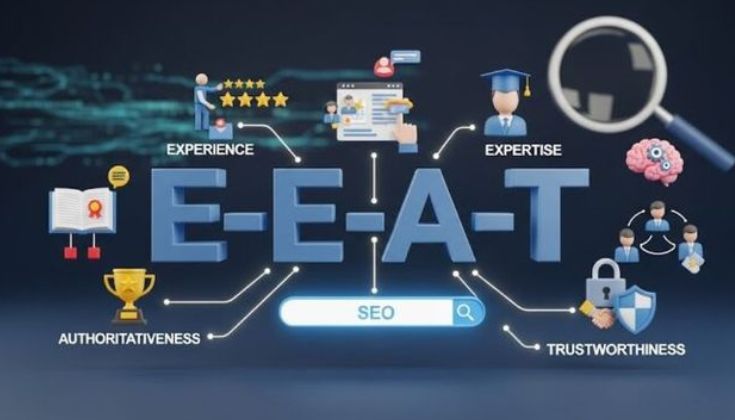
At the core of this shift is E-E-A-T, Experience, Expertise, Authoritativeness, and Trustworthiness.
E-E-A-T is not a direct ranking factor. Instead, it is a quality evaluation framework outlined in Google’s Search Quality Rater Guidelines. It serves as a lens through which content is assessed for credibility, reliability, and helpfulness. In an era flooded with AI-generated content, this framework helps distinguish genuine insight from automated noise.
For B2B brands, where purchase decisions involve multiple stakeholders and significant financial commitments, strong E-E-A-T signals are critical. They enhance organic visibility, improve inclusion in AI-generated summaries, attract natural backlinks, and increase conversions by building buyer confidence.
Why E-E-A-T Matters More Than Ever for B2B Websites
The marketing and search landscape of 2026 has intensified the importance of credibility.
The explosion of AI-generated content has increased competition while simultaneously lowering the average quality of information online. As a result, search engines prioritize depth, authenticity, and human-backed expertise.
Recent core updates expanded scrutiny beyond traditional high-risk categories such as health and finance. Competitive B2B sectors including SaaS, technology comparisons, and professional services now face stronger evaluation standards.
Meanwhile, B2B buyers conduct extensive research before engaging vendors. They seek evidence, credentials, case studies, and proof of real-world results. Generic content no longer influences serious decision-makers.
The message is clear. Authority and trust are not optional enhancements. They are prerequisites for sustainable search performance.
Breaking Down E-E-A-T in 2026
- Experience: The Differentiator
Experience has become increasingly influential in recent algorithm refinements. It evaluates whether the content creator demonstrates firsthand, real-world involvement in the subject matter.
In B2B contexts, this means practical exposure, client work, measurable outcomes, and lessons learned from execution.
For example, an article detailing how a SaaS company reduced churn by 40 percent through specific retention strategies carries significantly more weight than a general overview of churn reduction tactics.
To strengthen experience signals:
- Include real client stories and anonymized performance metrics
- Add screenshots, workflow insights, or process explanations
- Share challenges faced and practical lessons learned
- Incorporate first-person insights where appropriate
Experience transforms theoretical advice into credible guidance.
- Expertise: Demonstrated Knowledge Depth
Expertise validates subject-matter knowledge through qualifications, specialization, and proven results.
For B2B websites, this may include:
- Content reviewed by certified professionals
- Detailed author biographies outlining years of industry experience
- Original research, proprietary data, or in-depth technical breakdowns
- Strategic commentary supported by case evidence
Expertise is demonstrated through specificity. Surface-level summaries no longer compete effectively.
- Authoritativeness: Industry Recognition
Authoritativeness reflects how the broader industry perceives your brand.
This is built through:
- High-quality backlinks from reputable sources
- Mentions in industry publications
- Speaking engagements and thought leadership contributions
- Strategic partnerships and analyst recognition
- Awards and certifications
Authority is cumulative. Consistent digital PR efforts and valuable industry contributions build brand credibility over time.
- Trustworthiness: The Foundation of Everything
Trustworthiness underpins the entire framework. Without trust, experience and expertise lose impact.
At a foundational level, this includes:
- Secure HTTPS websites
- Transparent contact information
- Clear privacy policies and compliance statements
- Accurate claims without exaggeration
At a more advanced level, trust is strengthened through:
- Cited sources and fact verification
- Updated publication dates
- Transparent affiliations and disclaimers
- Authentic client testimonials and reviews
In B2B environments, trust reduces perceived risk and shortens the path to inquiry or consultation.
Practical Ways to Strengthen E-E-A-T on Your B2B Website
Improving E-E-A-T requires structural and strategic adjustments.
Showcase the people behind the brand. Add detailed author biographies with credentials, professional profiles, and industry background.
Highlight real-world experience through case studies, data-backed insights, and implementation examples.
Publish comprehensive, well-researched content that goes beyond surface explanations. Long-form guides, whitepapers, webinars, and industry reports demonstrate depth.
Invest in digital PR and relationship-building to earn authoritative mentions and citations.
Strengthen transparency across the site. Include clear policies, sourcing practices, and company background information.
Conduct regular content audits to remove thin, outdated, or redundant pages that dilute overall authority.
Use AI as a productivity assistant, not a replacement for human insight. Human expertise and editorial oversight remain critical differentiators.
Frequently Asked Questions About E-E-A-T in 2026
Is E-E-A-T a direct ranking factor?
No. It is a quality evaluation framework that influences how search engines assess content helpfulness and credibility.
How does Experience differ from Expertise?
Expertise refers to knowledge depth and qualifications. Experience reflects real-world application and firsthand involvement.
Do author biographies truly matter?
Yes. Transparent authorship strengthens trust and signals credibility to both users and search systems.
How long does it take to see improvements?
E-E-A-T improvements are cumulative. Results typically build over months through consistent high-quality publishing and authority growth.
Does this apply beyond high-risk industries?
Yes. While originally emphasized in sensitive topics, recent algorithm updates apply strong scrutiny across competitive B2B sectors.
Conclusion
E-E-A-T is not a tactical checklist. It represents a strategic shift toward authenticity, credibility, and genuine value.
In an AI-driven content environment, differentiation comes from real expertise, real experience, and transparent communication.
B2B brands that commit to building authority and trust today will gain sustainable visibility, stronger buyer confidence, and long-term revenue growth.